 comparison
Blue Bottle Alternatives for Coffee Enthusiasts
Table of Contents
- Quick Comparison: Top Blue Bottle Alternatives for Enthusiasts
- What Makes a Great Blue Bottle Alternative?
- How to Choose Specialty Coffee: A Framework for Enthusiasts
- Stumptown vs. Blue Bottle: A Comparison for Enthusiasts
- 1. Tanzania Peaberry Punch: Bright, Fruity, and Complex
- Cons:
- 2. Island Bear Jamaican Blue Mountain: Smooth and Balanced Reserve
- Cons:
- 3. Hawaiian Breeze (100% Kona Prime): Sweet and Velvety Luxury
- Cons:
- 4. Blooming Bear: Floral and Tea-Like Ethiopian Yirgacheffe
- Cons:
- 5. Light N' Cozy: A Light Roast for Pour-Over Lovers
- Cons:
- Best Coffee Beans for Pour-Over: Matching Beans to Your Brew Method
- Coffee Subscription Alternatives: Flexibility and Freshness
- Frequently Asked Questions
Last Updated: October 7, 2026
Quick Comparison: Top Blue Bottle Alternatives for Enthusiasts
A good Blue Bottle alternative for enthusiasts delivers single-origin transparency, roast freshness, and flavor complexity that holds up to careful brewing. Happy Bear Coffee offers five distinct options that cover that ground, from a bright Tanzania Peaberry to a rare Jamaican Blue Mountain reserve. Below, we break down how each one performs in the cup, what it costs, and which brew method suits it best.
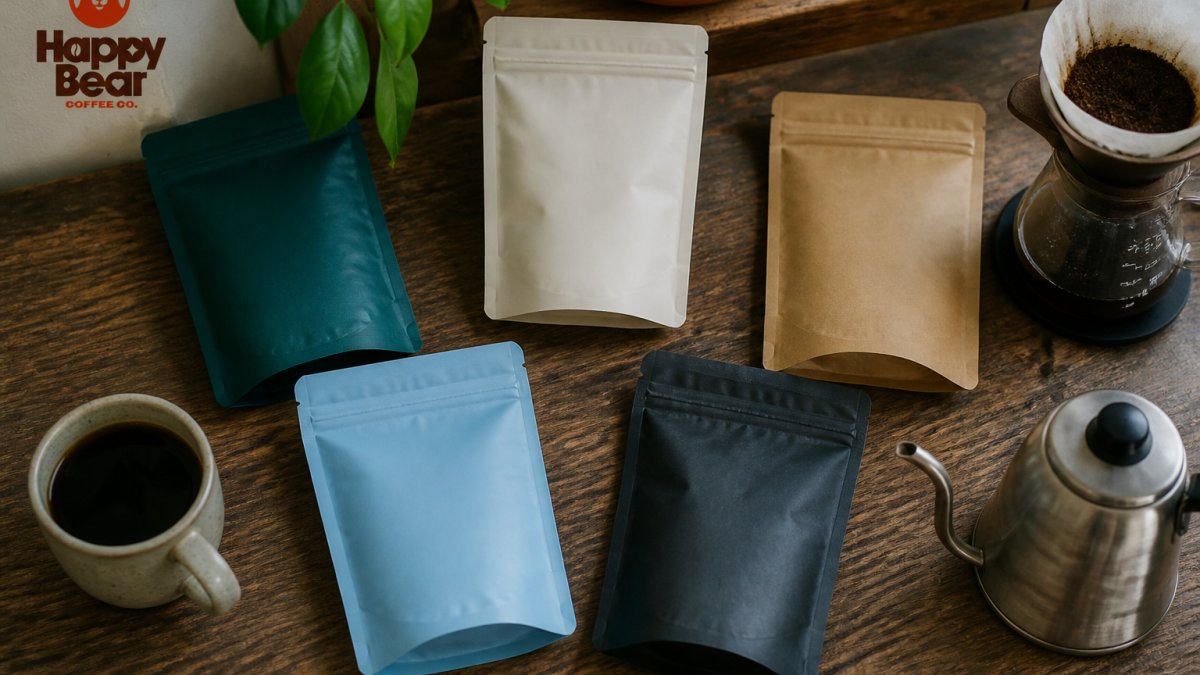
The comparison table below summarizes the headline details. Prices reflect Happy Bear Coffee's current listing.
| Coffee | Roast | Tasting Notes | Price | Best For |
|---|---|---|---|---|
| Tanzania Peaberry Punch | Medium | Cocoa, tropical fruit, lemongrass | $20.00 | Bright, complex pour-over |
| Island Bear Jamaican Blue Mountain | Medium | Orange, cream, milk chocolate | $62.00 | Smooth reserve sipping |
| Hawaiian Breeze (Kona Prime) | Medium | Toffee, cooked grapefruit, Kahlua | $67.00 | Velvety luxury cup |
| Blooming Bear | Medium | Citrus, jasmine, stone fruit | $20.50 | Floral, tea-like brews |
| Light N' Cozy | Light | Nectarines, jasmine, cane sugar | $19.00 | Light roast pour-over |
That table is the short version. The rest of this guide explains the "why" behind each pick, because a coffee that shines in a French press can fall flat in an espresso machine.

What Makes a Great Blue Bottle Alternative?
A great Blue Bottle alternative is a roaster that matches three things: bean quality, roast consistency, and sourcing transparency. Enthusiasts who switch roasters usually care less about brand name and more about whether the cup delivers the same clarity and freshness they expect.
Blue Bottle built its reputation on light-to-medium roasts, single-origin offerings, and a cafe experience that treats coffee like a craft. Any roaster worth switching to has to hit those marks. The Specialty Coffee Association's standards for green coffee grading give a useful benchmark for what "specialty" actually means, and it comes down to defect counts, cup quality, and traceability.
Here's what most guides miss: freshness matters more than origin prestige. A rare single-origin that sat on a shelf for three months will taste duller than a well-packed everyday roast. Happy Bear Coffee freshly packs each order, which keeps the aroma and flavor notes intact from roast to brew.
How to Choose Specialty Coffee: A Framework for Enthusiasts
Choosing specialty coffee comes down to matching four variables to your taste and setup: roast level, flavor profile, brew method, and budget. Get those aligned and almost any quality roaster will satisfy you.
Start with what you already enjoy. If you drink your coffee black and like brightness, lean toward light and medium roasts. If you add milk or prefer a smoother cup, a medium roast with lower acidity will suit you better.
Use this decision framework:
- If you love bright, fruity cups: choose a light or medium roast with citrus or berry notes, like Light N' Cozy or Blooming Bear.
- If you want smooth and balanced: choose a medium roast with chocolate or cream notes, like Island Bear.
- If you brew pour-over daily: prioritize light and medium roasts with clear acidity.
- If you brew espresso: choose a medium roast with enough body to hold up under pressure.
- If you want a rare treat: choose a reserve coffee and brew it simply to let it shine.
A common mistake is buying a delicate floral coffee and then brewing it in a machine that mutes its best qualities. Match the bean to the method, and the cup improves immediately.

Stumptown vs. Blue Bottle: A Comparison for Enthusiasts
Stumptown and Blue Bottle are both well-known specialty roasters with strong reputations for quality. The real difference for enthusiasts comes down to roast style and flavor emphasis, not overall quality.
Stumptown and Blue Bottle simply suit different palates.
If you enjoy the clarity and brightness that Blue Bottle is known for, look for roasters that share that style. Happy Bear Coffee's Blooming Bear and Light N' Cozy both sit in that lighter, brighter territory, with floral and citrus notes that read as clean rather than heavy.
The National Coffee Association's overview of roast levels and their flavor impact explains how roast development shapes acidity and body, which helps you predict what a cup will taste like before you buy.
1. Tanzania Peaberry Punch: Bright, Fruity, and Complex
Tanzania Peaberry Punch is a medium roast with notes of rich cocoa, tropical fruit, and lemongrass, priced at $20.00. It earns the top spot for enthusiasts who want a complex, bright cup that rewards careful brewing.
Peaberries are a kind of coffee seed that forms individually inside a cherry, rather than the usual two flat beans. The smaller, denser peaberries are thought to carry a higher potency of flavor, which is why this coffee tastes so vivid. The bright, fruity acidity and rich body come from Tanzania's volcanic soil and favorable growing climate.
This is a versatile bean. Brew it as a pour-over and the lemongrass and tropical fruit notes come forward. Pull it as espresso and the cocoa deepens into a fuller, richer shot. Aim for a medium grind and water around 200°F to get a balanced extraction.
Pros:
- Distinctive peaberry flavor with real complexity
- Works across pour-over, French press, and espresso
- Moderate price for a single-origin specialty coffee
Cons:
Tanzania Coffee Board information on the country's growing regions
2. Island Bear Jamaican Blue Mountain: Smooth and Balanced Reserve
Island Bear Jamaican Blue Mountain is a medium roast with notes of orange, cream, and milk chocolate, priced at $62.00. It suits enthusiasts who want a smooth, balanced cup with almost no bitterness.
This is 100% Jamaican Blue Mountain from the Blue Baron Estate, not a blend. The beans carry balanced aroma, body, and acidity with subtle fruit and floral overtones. Each batch is certified as Genuine No.1 Coffee Beans from the 2023/24 crop as released by the Jamaica Agricultural Commodities Regulatory Authority.
Jamaican Blue Mountain is rare because the growing area is small. The elevation, rainfall, and volcanic soil of the Blue Mountains create a profile that enthusiasts describe as clean and sweet. Brew it as a smooth drip coffee or a gentle espresso to appreciate the balance.
Pros:
- Exceptionally smooth with a clean, sweet finish
- Certified 100% Jamaican Blue Mountain, not a blend
- Balanced enough for any brew method
Cons:
3. Hawaiian Breeze (100% Kona Prime): Sweet and Velvety Luxury
Hawaiian Breeze is a 100% Kona Prime coffee priced at $67.00, with notes of toffee, cooked grapefruit, and mellow Kahlua flavors. It is the pick for enthusiasts who want a velvety, luxurious cup with tart acidity and mild sweetness.

These are Arabica Typica varietals grown on the slopes of the Mauna Loa volcano in the Kona district. The high altitude and balanced sunshine and rainfall produce densely flavorful beans, while the volcanic soil adds a well-balanced acidity and a hint of nuttiness. The beans are hand-picked, which contributes to the quality in the cup.
Kona is known for its rarity and limited production. This is 12 ounces of 100% Kona Prime beans, certified as Genuine No.1 Coffee Beans from Kona by the Hawaii Department of Agriculture.
Pros:
- Velvety texture with a complex, sweet profile
- Certified 100% Kona, not a blend
- Distinctive toffee and grapefruit notes
Cons:
4. Blooming Bear: Floral and Tea-Like Ethiopian Yirgacheffe
Blooming Bear is a medium roast Ethiopian Yirgacheffe priced at $20.50, with citrus, jasmine, and stone fruit notes. It is the top choice for enthusiasts who love floral, tea-like coffees with bright acidity.
Ethiopian Yirgacheffe is one of the most sought-after single-origin coffees in the world, prized for its bright acidity, floral aroma, and smooth, tea-like body. Grown in the highlands of Ethiopia's Yirgacheffe region, this small-batch roast delivers a clean and complex profile that specialty coffee lovers recognize immediately. Achieving this level of nuance at home often requires precise brewing equipment, though those seeking convenience without sacrificing the integrity of the bean may find similar clarity in specialty coffee pods.
Yirgacheffe is often considered the benchmark for high-quality Arabica. Brew it as a pour-over to highlight the jasmine and citrus, or use a French press for a rounder cup. It also works as espresso if you enjoy a bright, fruit-forward shot.
Pros:
- Classic Yirgacheffe floral and citrus character
- Clean, complex, and consistent
- Affordable for a world-class single-origin
Cons:
5. Light N' Cozy: A Light Roast for Pour-Over Lovers
Light N' Cozy is a light roast priced at $19.00, with notes of nectarines, jasmine, and cane sugar. It is the best pick for pour-over enthusiasts who want maximum brightness and a lighter body.
This single-origin light roast is pulled right before first crack, which highlights the bean's natural acidity and delivers a slightly bigger jolt of caffeine. Acidity gives coffee extra character and lets its natural citrusy qualities come through, with a lighter body all around.
If you brew pour-over daily and want a coffee that changes subtly with each adjustment to grind size or water temperature, this is the one to explore. It rewards attention.
Pros:
- Bright, citrus-forward flavor with a light body
- Lowest price in the lineup
- Rewards precise pour-over technique
Cons:
Best Coffee Beans for Pour-Over: Matching Beans to Your Brew Method
The best coffee beans for pour-over are light and medium roasts with clear acidity and distinct origin character. Pour-over highlights clarity, so delicate floral and fruity notes come through better than they would in an immersion brew. But the bean is only half the equation, the other half is dialing the method to the roast.
Below is a method-by-method breakdown that maps each coffee in this lineup to a starting recipe.
Pour-Over (V60, Chemex, Kalita Wave)
Pour-over rewards clarity, so start with the lightest, brightest coffees.
- Light N' Cozy and Blooming Bear are the natural fits. Both are light-to-medium roasts with floral and citrus notes that read clean when the brew is dialed in.
- Starting recipe: medium grind (about the texture of table salt), 1:16 coffee-to-water ratio (roughly 22 g coffee to 350 g water), water at 200-205°F, total brew time 2:30-3:00.
- Why it works: the paper filter traps oils and fines, which sharpens acidity and lets jasmine and stone-fruit notes come forward instead of getting buried under body.
- Watch for: a sour, thin cup means you're under-extracting, tighten the grind or raise the water temperature. A bitter, hollow cup means the opposite.
French Press
Immersion brewing keeps more oils and sediment in the cup, which mutes delicate florals but amplifies body and chocolate notes.
- Tanzania Peaberry Punch is the strongest match here. Its cocoa and tropical-fruit notes deepen rather than disappear under immersion.
- Starting recipe: coarse grind, 1:15 ratio, water at 195-200°F, steep 4 minutes, then press slowly.
- Why it works: the metal mesh filter lets oils through, so the peaberry's dense flavor reads as richer and rounder than it would in a pour-over.
- Watch for: a muddy, over-extracted cup usually means the grind is too fine or the steep ran long.
Espresso
Espresso needs body and enough sweetness. Delicate light roasts can taste sharp or hollow as a straight shot.
- Island Bear Jamaican Blue Mountain and Tanzania Peaberry Punch are the best fits. Both have the balance and body to hold up under pressure.
- Starting recipe: fine grind, 1:2 ratio (18 g in, 36 g out), 25-30 seconds, water at 200-205°F.
- Why it works: the medium roast development gives enough soluble material to produce a syrupy shot without the ashiness that over-developed dark roasts bring.
- Watch for: a gushing, sour shot means the grind is too coarse; a choking, bitter shot means it's too fine.
Drip
Automatic drip brewers are forgiving, which makes them a good home for smoother, sweeter coffees.
- Hawaiian Breeze (Kona Prime) is the pick. Its toffee and cooked-grapefruit notes come through cleanly without demanding precision.
- Starting recipe: medium grind, 1:16 ratio, water at 195-200°F.
- Why it works: drip's steady, even extraction flatters balanced coffees and hides minor technique errors.
A Quick Flavor-to-Method Map
If you already know the flavor you want, work backward to the method:
| Flavor you want | Coffee | Best method |
|---|---|---|
| Bright citrus and jasmine | Light N' Cozy | Pour-over |
| Floral, tea-like stone fruit | Blooming Bear | Pour-over |
| Cocoa and tropical fruit | Tanzania Peaberry Punch | French press or espresso |
| Orange, cream, milk chocolate | Island Bear | Espresso or drip |
| Toffee and cooked grapefruit | Hawaiian Breeze | Drip |
Grind size matters as much as the bean. Pour-over generally wants a medium grind, while espresso needs a fine grind. Water temperature around 200°F works well for most methods. The U.S. Department of Agriculture's guidance on safe drinking water and home preparation is a useful reference if you want to understand how water quality affects what ends up in your cup.
If you're new to matching beans and methods, start with one coffee and one brew method, then adjust one variable at a time. Changing everything at once makes it impossible to know what improved the cup.
Coffee Subscription Alternatives: Flexibility and Freshness
Coffee subscription alternatives give enthusiasts flexibility and freshness without a long-term commitment. Happy Bear Coffee's customizable bundle subscriptions let you mix and match flavored coffees and small-batch roasts, choose regular or decaf, and adjust as your tastes change.
What "Flexible" Actually Means
Most subscription complaints come down to three things: you get locked into a cadence, you can't swap what's coming, and you can't pause when you're traveling. A subscription built for enthusiasts should solve all three.
- Cadence control: choose how often bags ship, and change the interval between shipments as your consumption changes.
- Skip and pause: push a shipment back or pause entirely for a month without canceling.
- Mix and match: build a bundle from different roasts instead of committing to a full bag of one coffee.
- Regular or decaf: swap a caffeinated roast for its decaf counterpart without rebuilding the whole order.
If a subscription can't do those four things, it isn't really flexible, it's just a recurring charge.
Why Freshness Beats Origin Prestige
Coffee tastes best soon after roasting. The window is short: the peak flavor window is roughly 4 to 21 days off roast for filter brewing, and slightly longer for espresso as the beans degas. A rare single-origin that sat on a shelf for three months will taste duller than a well-packed everyday roast.
A subscription that ships freshly packed beans on a predictable schedule keeps you inside the peak window. Happy Bear Coffee freshly packs each order, which keeps the aroma and flavor notes intact from roast to brew.
Building a Bundle That Matches How You Brew
A bundle isn't just a discount mechanism, it's a way to keep multiple brew methods stocked at once. A practical setup:
- One bright pour-over coffee (Light N' Cozy or Blooming Bear) for daily filter brewing.
- One medium roast with body (Tanzania Peaberry Punch or Island Bear) for espresso or French press.
- One smooth everyday coffee (Hawaiian Breeze) for drip or when you want something sweet without fuss.
Rotate the bundle as your tastes shift. The point of a customizable subscription is that you're never stuck with a bag you don't want to brew.
Beyond the Beans
A good subscription isn't only about coffee. Happy Bear Coffee also offers brewing equipment, camping and travel gear, and branded merchandise, so you can build a setup that fits how you actually drink coffee, whether that's a V60 on the kitchen counter or a travel press on a campsite.
The social side matters too. Happy Bear Coffee runs a 5% customer-powered donation program, and as an NGLCC Certified LGBT Business Enterprise and a Specialty Coffee Association member (2026), the company ties its sourcing and community commitments to verifiable standards.
Frequently Asked Questions
Is Stumptown or Blue Bottle better?
Both are known for quality, but the better choice depends on your taste. Stumptown often highlights brighter, fruit-forward profiles, while Blue Bottle leans toward balanced, clean cups. For enthusiasts seeking a Blue Bottle alternative, Happy Bear Coffee offers single-origin options like Blooming Bear (Ethiopian Yirgacheffe) and Tanzania Peaberry Punch, which provide similar complexity and freshness. Consider your preferred flavor notes and brewing method before deciding.
What are the best alternatives to Blue Bottle Coffee for enthusiasts?
Enthusiasts should look for roasters that prioritize freshness, transparency, and single-origin sourcing. Happy Bear Coffee stands out with its range of single-origin beans, including Jamaican Blue Mountain, Hawaiian Kona Prime, and Ethiopian Yirgacheffe. These beans offer distinct flavor profiles and are packed fresh. Additionally, Happy Bear's 5% donation program and SCA membership appeal to socially conscious coffee lovers. Explore their pour-over-friendly options like Light N' Cozy for a bright, nuanced cup.
How do I choose specialty coffee beans for pour-over brewing?
For pour-over, start with a light or medium roast to preserve delicate flavors. Look for single-origin beans with tasting notes that match your preference, such as floral, fruity, or chocolatey. Freshness matters: check the roast date and buy whole beans. Grind size should be medium-fine, and water temperature around 200°F. Happy Bear Coffee's Light N' Cozy (light roast) and Blooming Bear (medium roast) are excellent choices for pour-over, offering clarity and complexity.
Why is Blue Bottle coffee so expensive?
Blue Bottle's prices reflect factors like high-quality sourcing, small-batch roasting, and freshness. Happy Bear Coffee offers single-origin beans starting at $19.00 for Light N' Cozy, with options like Tanzania Peaberry Punch at $20.00. These beans are sustainably sourced and roasted to order, providing excellent value. Enthusiasts can enjoy specialty coffee.
What coffee subscription alternatives offer flexibility?
Many roasters offer subscriptions, but flexibility varies. Happy Bear Coffee provides customizable bundle subscriptions that let you mix and match beans, pause deliveries, or skip months. This is ideal for enthusiasts who want to try different origins without commitment. Their subscription includes options like regular or decaf, flavored coffees, and small-batch roasts. You can adjust based on your consumption, ensuring freshness without waste. It's a convenient alternative to rigid subscription models.